iHerb के बारे में सख्त दिशा-निर्देश हैं और हम सहकर्मियों की रिव्यू वाली स्टडीज, शैक्षणिक रिसर्च संस्थानों, मेडिकल पत्रिकाओं और भरोसेमंद मीडिया साइट्स से भी बुझते हैं। यह बैज दिखाता है कि इस पेज के सबसे नीचे 'रेफरेंस' सेक्शन में स्टडीज, रिसोर्सेज और आंकड़ों की सूची देखी जा सकती है।
बहुत से लोग मेलाटोनिन के विकल्प की तलाश करते हैं, जिसमें 5-HTP, मैग्नीशियम, ग्लाइसिन और वेलेरियन सहित शीर्ष विकल्प होते हैं।
सबसे प्रभावी विकल्प व्यक्ति की ज़रूरतों और उनकी नींद में परेशानी के अंतर्निहित कारण पर निर्भर करता है।
प्राकृतिक नींद सहायक तब सबसे अच्छा काम करते हैं जब उन्हें स्वस्थ नींद की स्वच्छता पद्धतियों जैसे आहार, व्यायाम और प्रकाश के संपर्क को प्रबंधित करने के साथ जोड़ा जाता है।
सक्रिय रूप से बचने के लिए एक संयोजन: SSRIs, SNRIs, या MAOI के साथ 5-HTP। इस जोड़ी के कारण सेरोटोनिन सिंड्रोम के दस्तावेजी मामले सामने आए हैं — यदि आप एंटीडिप्रेसेंट ले रहे हैं तो 5-HTP शुरू करने से पहले नीचे दिए गए इंटरैक्शन सेक्शन को देखें।
कोई भी नया सप्लीमेंट शुरू करने से पहले हमेशा किसी स्वास्थ्य देखभाल पेशेवर से सलाह लें, खासकर अगर आप गर्भवती हैं, दवाएँ ले रही हैं, या आपको कोई पुरानी स्थिति है।
मेलाटोनिन इतना लोकप्रिय क्यों है?
कई लोगों के लिए, मेलाटोनिन सोने के लिए एक उपयोगी साधन है। यह सर्कैडियन रिदम डिस्ट्रक्शन (जैसे जेट लैग या डिलेड स्लीप फेज डिसऑर्डर) वाले लोगों में सबसे प्रभावी है।
लेकिन क्या होगा अगर यह आपके लिए काम नहीं करता है, सुबह की घबराहट का कारण बनता है, या आप बस एक अलग दृष्टिकोण की तलाश कर रहे हैं? आप अकेले नहीं हैं। लगातार नींद न आने वाले लोगों के लिए, मेलाटोनिन की प्रभावशीलता कुछ हद तक परिवर्तनशील होती है, जिससे कई लोग वैकल्पिक विकल्प तलाशने लगते हैं।
सौभाग्य से, कई प्रभावी, विज्ञान-समर्थित मेलाटोनिन विकल्प हैं जो आपको आवश्यक आरामदायक नींद लेने में मदद कर सकते हैं। इस गाइड में, हम सात बेहतरीन विकल्पों का पता लगाएंगे, जिसमें बताया जाएगा कि हर एक किसके लिए सबसे अच्छा है।
याद रखें, स्वस्थ नींद की आदतों के साथ जोड़े जाने पर सप्लीमेंट्स सबसे अच्छा काम करते हैं। सर्वोत्तम परिणामों के लिए, इस लेख के अंत में इन विकल्पों को मूलभूत जीवन शैली युक्तियों के साथ मिलाएं।
मेलाटोनिन के लिए शीर्ष 10 प्रभावी विकल्प
मेलाटोनिन के विकल्प एक नज़र में
कई प्रभावी प्राकृतिक नींद सहायक हैं, लेकिन ये ऐसे पूरक हैं जो वास्तव में मेलाटोनिन के प्राकृतिक विकल्प के रूप में सामने आते हैं:
5-HTP: गहरी और REM नींद दोनों में सुधार के लिए सर्वोत्तम समग्र विकल्प।
मैग्नीशियम: आराम, मांसपेशियों में तनाव और तनाव से संबंधित नींद की समस्याओं के लिए सबसे अच्छा।
L-ग्लाइसिन: शरीर के मुख्य तापमान को कम करने के लिए सबसे अच्छा है ताकि बिना घबराहट के तेजी से सो सकें।
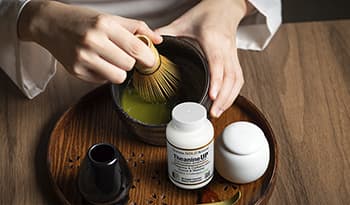
L-Theanine: बेहोश करने की क्रिया के बिना आराम और नींद की गुणवत्ता में सुधार को बढ़ावा देता है। बच्चों के लिए एक बढ़िया विकल्प।
GABA: दौड़ते दिमाग को शांत करने और पुरुषों में रात के समय जागने को कम करने में मददगार।
लैक्टिप्लांटिबैसिलस प्लांटरम Lp815®: GABA सप्लीमेंट्स के विकल्प के रूप में GABA बनाने वाला प्रोबायोटिक। कुल नींद और गहरी नींद की अवधि में वृद्धि होती है।
वैलेरियन: सोने में लगने वाले समय को कम करने और नींद की दक्षता में सुधार करने के लिए सबसे अच्छा है।
लेमन बाम: फाइटोसोम रूप को नींद की गुणवत्ता, मानसिक स्वास्थ्य, मनोदशा और रोजमर्रा के तनाव की भावनाओं को बेहतर बनाने के लिए दिखाया गया है।
Apocynum venetum पत्ती का अर्क: वेनेट्रॉन® नामक एक अर्क को स्लीप फिजियोलॉजी में सुधार करने और नींद के गहरे चरणों में बिताए समय को बढ़ाने के लिए दिखाया गया है।
पैशन फ्लावर: सोने से पहले रोजमर्रा के तनाव की भावनाओं को शांत करने के लिए सबसे अच्छा।
5-HTP (5-हाईड्रोक्सिट्रिप्टोफ़ैन)
5-HTP (5-hydroxytryptophan), ट्रिप्टोफैन का मेटाबोलाइट, नींद को बेहतर बनाने में ट्रिप्टोफैन की तुलना में अधिक सुसंगत प्रभाव डालता है। यह सेरोटोनिन के निर्माण के एक कदम और करीब है, जो एक न्यूरोट्रांसमीटर है जो नींद शुरू करने में महत्वपूर्ण भूमिका निभाता है। और चूंकि मेलाटोनिन को सेरोटोनिन से संश्लेषित किया जाता है, 5-HTP पूरकता अप्रत्यक्ष रूप से मेलाटोनिन के स्तर को बढ़ाती है। नैदानिक अध्ययन बताते हैं कि 5-HTP एल-ट्रिप्टोफैन की तुलना में काफी अधिक प्रभावी है।
मानव नैदानिक परीक्षणों में उल्लिखित 5-HTP के प्रमुख लाभों में से एक यह है कि कुल सोने के समय को लंबा किए बिना गहरी नींद के चरण 3 और 4 को बढ़ाते हुए REM नींद (आमतौर पर लगभग 25%) को बढ़ाने की क्षमता है। नींद के जिन चरणों को कम किया जाता है, वे गैर-आरईएम चरण 1 और 2 हैं — सबसे कम महत्वपूर्ण चरण.1,2
अनुशंसित खुराक सोने से 30-45 मिनट पहले 50-150 मिलीग्राम है। वैकल्पिक रूप से, भोजन से पहले रोजाना तीन बार 50-100 मिलीग्राम लेने से भी मूड में सुधार हो सकता है और वजन प्रबंधन में सहायता मिल सकती है। इसे बढ़ाने से पहले कम से कम 3 दिनों के लिए कम खुराक से शुरू करें।
5-HTP शुरू करने से पहले: यदि आप SSRI, SNRI, MAOI, या माइग्रेन/दर्द की दवा जैसे ट्रामाडोल या ट्रिप्टन लेते हैं, तो पहले नीचे दिए गए इंटरैक्शन सेक्शन को देखें - यह एक दस्तावेजी गंभीर जोखिम के साथ इस सूची में जोड़ी गई जोड़ी है।
मैग्नीशियम
मैग्नीशियम एक महत्वपूर्ण प्राकृतिक नींद प्रमोटर है। नींद पर मैग्नीशियम के लाभकारी प्रभाव कई प्रमुख क्रियाओं से आते हैं:
न्यूरोट्रांसमीटर विनियमन: मैग्नीशियम GABA (-aminobutyric acid) को संतुलित करने में मदद करता है, जो मस्तिष्क का मुख्य शांत करने वाला न्यूरोट्रांसमीटर है, जो विश्राम का समर्थन करता है। यह उत्तेजक संकेतों को भी कम करता है और सोने से पहले अत्यधिक उत्तेजना को रोकता है।
मांसपेशियों को आराम देना: यह मांसपेशियों को आराम देता है और रात में पैरों की बेचैनी को कम करता है, जिससे नींद में खलल पड़ सकता है।
तनाव और कोर्टिसोल नियंत्रण: मैग्नीशियम कोर्टिसोल के स्तर को नियंत्रित करने में मदद करता है और तनाव से प्रेरित नींद की गड़बड़ी को कम करता है।
मानव नैदानिक अनुसंधान से पता चलता है कि मैग्नीशियम शांत प्रभाव को बढ़ावा देने, तनाव से राहत देने और समग्र विश्राम और आरामदायक नींद को बढ़ावा देने में उल्लेखनीय सुधार करता है। बुजुर्गों में नींद में सुधार लाने और ब्रेन वेव ट्रेसिंग और ब्रेन केमिस्ट्री में उम्र से संबंधित बदलावों को दूर करने के लिए मैग्नीशियम पूरकता विशेष रूप से महत्वपूर्ण है.3-5
इसकी सुझायी गयी खुराक सोते समय 250 से 300 मिलीग्राम है। पाउडर पेय मिक्स में मैग्नीशियम बिस्ग्लाइसीनेट या साइट्रेट इस खुराक स्तर पर टैबलेट या कैप्सूल की तुलना में एक बढ़िया विकल्प है।
अनुशंसित स्तरों पर मैग्नीशियम बहुत सुरक्षित है। हालांकि, गुर्दे की गंभीर दुर्बलता वाले लोगों को, टेट्रासाइक्लिन या फ़्लोरोक्विनोलोन एंटीबायोटिक्स लेने वाले किसी भी व्यक्ति को सावधानी बरतने की सलाह दी जाती है (क्योंकि मैग्नीशियम इन एंटीबायोटिक वर्गों के अवशोषण को कम कर सकता है), और रक्तचाप की दवा लेने वाले किसी भी व्यक्ति के लिए - विशेष रूप से कैल्शियम चैनल ब्लॉकर्स जैसे एम्लोडिपाइन या डिल्टियाज़ेम। मैग्नीशियम एक प्राकृतिक कैल्शियम चैनल ब्लॉकर के रूप में कार्य करता है, और दो प्रभाव ढेर हो सकते हैं, जिससे रक्तचाप इरादा से कम हो सकता है।
एल-ग्लाइसीन
ग्लाइसिन सबसे दिलचस्प स्लीप ऐड्स में से एक है। ग्लाइसीन एक अमीनो एसिड है, लेकिन यह एक न्यूरोट्रांसमीटर भी है जिसका स्लीप फिजियोलॉजी पर मापने योग्य प्रभाव पड़ता है। ग्लाइसिन मेलाटोनिन या हर्बल सेडेटिव की तरह “आपको नॉक आउट” नहीं करता है। इसके बजाय, यह शरीर के प्राकृतिक स्लीप फिजियोलॉजी को ठीक करता है।
एक न्यूरोट्रांसमीटर के रूप में, ग्लाइसीन रीढ़ की हड्डी और ब्रेनस्टेम में तंत्रिका गतिविधि को शांत करता है। ग्लाइसीन लेने का एक प्रभाव यह है कि यह त्वचा में रक्त के प्रवाह को बढ़ाकर शरीर के मुख्य तापमान को कम करता है, नींद शुरू करने के लिए शरीर के प्राकृतिक संकेतों में से एक की नकल करता है। रात के समय शरीर के तापमान में यह कमी सर्कैडियन लय और नींद की शुरुआत को सिंक्रनाइज़ करने में मदद करती प्रतीत होती है.6,7
मानव डबल-ब्लाइंड में, उन लोगों में क्रॉसओवर ट्रायल, जिन्होंने खराब नींद की शिकायत की थी, सोने से पहले 3 ग्राम ग्लाइसिन लेने से नींद की गुणवत्ता में सुधार हुआ, सोने का समय कम हो गया, और प्लेसबो की तुलना में अगले दिन थकान और नींद कम हो गई। एक अन्य अध्ययन में, सोने से पहले 3 ग्राम ग्लाइसीन लेने से नींद की विलंबता कम हो गई, धीमी गति से सोने (गहरी नींद) में समय बढ़ गया, और संज्ञानात्मक परीक्षणों पर अगले दिन के प्रदर्शन में सुधार हुआ.8,9
ग्लाइसीन, मैग्नीशियम की तरह, बहुत सुरक्षित है, बच्चों के लिए उपयुक्त है, उपयोग में आसान है, व्यापक रूप से उपलब्ध है, और अपेक्षाकृत सस्ता है।
एल-थिएनाइन
L-theanine एक विशिष्ट अमीनो एसिड है जो लगभग विशेष रूप से चाय (कैमेलिया साइनेंसिस) में पाया जाता है। नैदानिक अध्ययनों से पता चला है कि एल-थीनिन तनाव को कम करता है, नींद की गुणवत्ता में सुधार करता है, मासिक धर्म से पहले होने वाली सामान्य परेशानी को कम करता है, मानसिक तीक्ष्णता को बढ़ाता है और कैफीन के नकारात्मक दुष्प्रभावों को कम करता है.10
सोने के समय 200 मिलीग्राम की खुराक लेने वाले बच्चों के लिएएल-थीनिन एक बेहतरीन विकल्प है। वयस्कों में, 200 मिलीग्राम की सामान्य खुराक शामक के रूप में कार्य नहीं करती है, लेकिन यह नींद की गुणवत्ता में काफी सुधार करती है - नींद में सुधार करने का एक सौम्य तरीका। वयस्कों में ध्यान देने योग्य शामक प्रभाव के लिए, 300 से 600 मिलीग्राम की उच्च एकल खुराक की आवश्यकता होती है।
गाबा
गामा-एमिनोब्यूट्रिक एसिड (GABA) एक प्रमुख न्यूरोट्रांसमीटर है जो पूरे केंद्रीय तंत्रिका तंत्र (CNS) में प्रचुर मात्रा में और व्यापक रूप से वितरित किया जाता है। GABA मस्तिष्क के उचित कार्य के सबसे महत्वपूर्ण नियामकों में से एक के रूप में कार्य करता है। GABA का अपर्याप्त स्तर खराब नींद की गुणवत्ता, तनाव और कम मूड पैदा कर सकता है।
GABA का आहार पूरक रूप लेना मस्तिष्क में GABA प्रभावों को बढ़ावा देने का एक स्पष्ट तरीका है। लेकिन यह इतना आसान नहीं है। सबसे पहले, GABA का रूप महत्वपूर्ण है। सिंथेटिक GABA ने GABA के प्राकृतिक रूपों के समान लाभ नहीं दिखाए हैं.11,12
GABA के प्राकृतिक रूपों को बेहतर नींद को बढ़ावा देने के लिए दिखाया गया है, खासकर निरंतर उपयोग के साथ.12 PharmaGaba के साथ एक अध्ययन में, 38 वरिष्ठ आयु वर्ग के लोगों को चार सप्ताह के लिए 100 mg PharmaGaba या एक प्लेसबो दिया गया.13 PharmaGABA समूह में, लोगों को अधिक आसानी से सोने, रात में जागने में कमी, सुबह कम उनींदापन का अनुभव हुआ, और रिकवरी में सुधार, साथ ही रात में पेशाब की आवृत्ति कम हो जाती है।
यहां तक कि फार्मागाबा के एक भी प्रशासन से नींद में सुधार होता दिखाया गया है। एक अन्य डबल-ब्लाइंड अध्ययन ने इलेक्ट्रोएन्सेफलोग्राफी (ईईजी) के माध्यम से मस्तिष्क तरंग पैटर्न का आकलन किया, जब विषयों ने 100 मिलीग्राम फार्मागाबा या प्लेसबो लिया।14परिणामों से पता चला कि फार्मागाबा ने सोने के लिए आवश्यक समय को पांच मिनट तक कम कर दिया और प्लेसबो की तुलना में गुणवत्ता की नींद के समय में वृद्धि की, जिसमें विषयों ने जागने पर बेहतर नींद और उच्च ऊर्जा स्कोर की रिपोर्ट की।
किण्वित जौ (Sanwa GABA) से प्राप्त GABA उत्पाद के साथ एक अध्ययन में, 39 से 59 वर्ष की आयु के पुरुषों और महिलाओं को सोने से 30 से 60 मिनट पहले या तो 100 मिलीग्राम सानवा GABA या प्लेसबो दिया गया। परिणामों से पता चला कि GABA ने 44 वर्ष से अधिक उम्र के लोगों और/या मजबूत मनोवैज्ञानिक तनाव या थकान का अनुभव करने वाले लोगों में गहरी नींद में काफी वृद्धि की है।15 सानवा गाबा के साथ एक अन्य डबल-ब्लाइंड अध्ययन में, नींद की समस्याओं, तनाव और थकान से निपटने वाले 62 विषयों ने नींद की गुणवत्ता, व्यक्तिपरक थकान रेटिंग और शक्ति की भावनाओं में महत्वपूर्ण सुधार का अनुभव किया.16
लैक्टिप्लांटिबैसिलस प्लांटरम Lp815®, एक गाबा-उत्पादक साइकोबायोटिक
लैक्टिप्लांटिबैसिलस प्लांटरम Lp815® एक नया साइकोबायोटिक है - एक प्रोबायोटिक स्ट्रेन जिसे पाचन तंत्र और मस्तिष्क के बीच संचार को प्रभावित करने की क्षमता के लिए चुना गया है। Lp815® मानव आंत्र पथ में पाए जाने वाले समान परिस्थितियों में गामा-एमिनोब्यूट्रिक एसिड या GABA का उत्पादन करने की अपनी क्षमता के आधार पर प्रतिष्ठित है.17
GABA की एकल मौखिक खुराक के विपरीत, Lp815® जठरांत्र संबंधी मार्ग के भीतर चल रहे GABA उत्पादन प्रदान कर सकता है, संभावित रूप से एक विस्तारित अवधि में आंत-मस्तिष्क अक्ष का समर्थन कर सकता है। Lp815® के लाभों को एक यादृच्छिक, डबल-ब्लाइंड, प्लेसबो-नियंत्रित मानव नैदानिक परीक्षण में प्रदर्शित किया गया है, जिसमें नींद की गड़बड़ी वाले 139 वयस्क शामिल हैं.18प्रतिभागियों को छह सप्ताह तक रोज़ाना Lp815® के 5 बिलियन CFU या प्लेसबो प्राप्त हुए। अध्ययन के अंत तक, Lp815® समूह ने प्लेसबो समूह की तुलना में स्लीप स्कोर में काफी सुधार किया था। 57.8% प्लेसबो प्राप्त करने की तुलना में, Lp815® प्राप्त करने वाले 77.3% प्रतिभागियों में कम से कम चार बिंदुओं का नैदानिक रूप से सार्थक सुधार हुआ। Lp815® ने सोने में कठिनाई और सोते रहने में कठिनाई दोनों में सुधार किया। पहनने योग्य नींद-निगरानी उपकरणों के साथ एकत्र किए गए वस्तुनिष्ठ नींद मापन में भी प्लेसबो की तुलना में कुल नींद की अवधि और गहरी नींद की अवधि में वृद्धि देखी गई। महिलाओं में विशेष रूप से उल्लेखनीय लाभों के साथ, हर दिन तनाव के स्कोर में भी सुधार हुआ।
वेलेरियन
हर्बल चिकित्सा के संदर्भ में, निसंदेह रूप से वेलेरियन (वेलेरियाना ऑफिसिनैलिस) सबसे लोकप्रिय और अच्छी तरह से अध्ययन की गई नींद के लिए सहायक औषधि है। विस्तृत नैदानिक अध्ययनों से पता चला है कि वेलेरियन नींद की गुणवत्ता में सुधार करता है, सोने के लिए आवश्यक समय को कम करता है, और रात भर आरामदायक नींद को बढ़ावा देता है,19 यह सब सुबह “हैंगओवर का एहसास” पैदा किए बिना होता है।
नवीनतम अध्ययन में, शोधकर्ताओं ने हल्की नींद की समस्या वाले 80 वयस्कों की जांच की, जिन्होंने 8 सप्ताह के लिए या तो वैलेरियन अर्क (2% कुल वैलेरेनिक एसिड के साथ 200 मिलीग्राम) या प्लेसबो लिया। परिणामों से पता चला कि वेलेरियन अर्क लेने वाले लोगों ने समग्र नींद की गुणवत्ता का अनुभव किया, तेजी से सो गए, लंबे समय तक सोए, और प्लेसबो पर रहने वालों की तुलना में अधिक कुशल नींद ली। सुधार दो सप्ताह की शुरुआत में दिखाई दिए और पूरी अध्ययन अवधि के दौरान जारी रहे। वेलेरियन ने तनाव और दिन में उनींदापन की भावनाओं को भी कम किया और प्रतिभागियों को सुबह अधिक तरोताजा महसूस करने में मदद की। उन्नत नींद परीक्षण ने वैलेरियन समूह में लंबी और बेहतर नींद की पुष्टि की, और कोई सुरक्षा चिंता नहीं देखी गई.20
हल्के शामक के रूप में, सर्वोत्तम परिणामों के लिए, रिटायर होने से तीस से पैंतालीस मिनट पहले 200 से 400 मिलीग्राम की खुराक पर वैलेरियन अर्क (0.8% से 2% वैलेरेनिक एसिड) लें। यदि सुबह नींद आती है, तो खुराक कम करें। यदि खुराक प्रभावी नहीं थी, तो इसे बढ़ाने से पहले नींद में बाधा डालने वाले कारकों को खत्म करना सुनिश्चित करें - जैसे कि कैफीन और अल्कोहल -।
एक दुर्लभ लेकिन प्रलेखित सावधानी: लंबे समय तक, उच्च खुराक वाले वैलेरियन उपयोग को कम संख्या में प्रतिवर्ती जिगर की चोट के मामलों से जोड़ा गया है (NIH का LiverTox डेटाबेस इसे नैदानिक रूप से स्पष्ट जिगर की चोट के “संभावित दुर्लभ कारण” के रूप में सूचीबद्ध करता है, जो आमतौर पर उपयोग को रोकने के बाद हल हो जाता है)। यह अल्पावधि, मानक खुराक के उपयोग से बचने का कोई कारण नहीं है, लेकिन मौजूदा जिगर की बीमारी वाले या कुछ महीनों से अधिक समय तक लगातार वैलेरियन का उपयोग करने वाले किसी भी व्यक्ति को डॉक्टर से इसका उल्लेख करना चाहिए.21
लेमन बाम (मेलिसा ऑफिसिनैलिस)
लेमन बाम को लंबे समय से पारंपरिक नींद सहायता के रूप में इस्तेमाल किया जाता रहा है, जो अक्सर रात में आराम करने की क्षमता में बाधा डालते हैं.22 लेमन बाम के लिए सबसे अच्छा नैदानिक सत्यापन रेलिसा® नामक फाइटोसोम रूप है जो पारंपरिक नींबू की तुलना में उनके अवशोषण और जैविक उपलब्धता को बेहतर बनाने के लिए फॉस्फोलिपिड्स के साथ नींबू बाम के प्राकृतिक रूप से पाए जाने वाले सक्रिय यौगिकों को जटिल बनाता है बाम की तैयारी।
एक यादृच्छिक, डबल-ब्लाइंड, प्लेसबो-नियंत्रित नैदानिक परीक्षण में, भावनात्मक परेशानी और खराब नींद का अनुभव करने वाले वयस्कों को तीन सप्ताह तक रोजाना 400 मिलीग्राम रिलिसा® प्राप्त हुआ। प्लेसबो की तुलना में, पूरकता ने समग्र नींद की गुणवत्ता, मानसिक स्वास्थ्य, मनोदशा और कथित तनाव में महत्वपूर्ण सुधार किए।23
खराब नींद की गुणवत्ता वाले वयस्कों में एक अन्य डबल-ब्लाइंड, प्लेसबो-नियंत्रित अध्ययन में, Relissa® ने नींद के कई महत्वपूर्ण उपायों में काफी सुधार किया। इनमें नींद की गुणवत्ता, प्रतिभागियों के सोने की मात्रा, नींद की दक्षता और रात में लंबे समय तक जागने के बिना सोते रहने की क्षमता शामिल थी। कुल मिलाकर, 87% प्रतिभागियों ने लेमन बाम तैयार करते समय नींद की गुणवत्ता में सुधार की सूचना दी, जबकि प्लेसबो लेते समय 30% की तुलना में।24
एपोकिनम वेनेटम लीफ एक्सट्रैक्ट
अपोकिनम वेनेटम की पत्ती, जिसे राफुमा या लुओबुमा के नाम से भी जाना जाता है, का शांत करने वाली चाय के रूप में उपयोग का एक लंबा इतिहास रहा है। इन जैविक रूप से सक्रिय यौगिकों के सटीक, सुसंगत स्तर देने के लिए उनके प्रमुख सक्रिय फ्लेवोनोइड्स प्रदान करने के लिए मानकीकृत नई तैयारियां विकसित की गई हैं.25
अपोकिनम लीफ एक्सट्रैक्ट शरीर को मनोवैज्ञानिक तनाव के अनुकूल बनाने और अधिक संतुलित भावनात्मक स्थिति बनाए रखने में मदद करके आंशिक रूप से नींद का समर्थन करता है। यह महत्वपूर्ण है क्योंकि तनाव, चिंता और मानसिक सतर्कता उन सबसे आम कारणों में से हैं जिनकी वजह से लोगों को सोने में कठिनाई होती है या वे खंडित, गैर-पुनर्स्थापनात्मक नींद का अनुभव करते हैं।
एक यादृच्छिक, डबल-ब्लाइंड, प्लेसबो-नियंत्रित क्रॉसओवर अध्ययन में, जिन वयस्कों ने 50 मिलीग्राम एपोसिनम अर्क का सेवन किया, जिन्हें वेनेट्रॉन® के नाम से जाना जाता है, ने स्लीप फिजियोलॉजी में मापने योग्य सुधार का अनुभव किया। ब्रेन वेव परीक्षण से पता चला कि अर्क ने नींद की गहरी अवस्थाओं को लगभग 7.6% बढ़ा दिया।26
अतिरिक्त मानव नैदानिक अनुसंधान ने वेनेट्रॉन® का मूल्यांकन किया है, जिसमें दिखाया गया है कि दैनिक पूरकता कथित तनाव में सुधार और नींद की गुणवत्ता के उपायों से जुड़ी थी, जो एक शांत वनस्पति और प्राकृतिक नींद सहायता दोनों के रूप में इसकी भूमिका का समर्थन करती है.27
एक पारंपरिक शामक के रूप में कार्य करने के बजाय, एपोकिनम अर्क आराम, भावनात्मक लचीलापन, और दिन के तनाव से रात के आराम में एक स्वस्थ संक्रमण का समर्थन करके नींद को बढ़ावा देता है।
पैशन फ्लावर (पासिफ्लोरा इनकार्नाटा)
एक और पौधा जिसका नींद में सहायता के रूप में लंबा इतिहास है, वह है पैशन फ्लावर। इसमें कई बायोएक्टिव घटक होते हैं - जिनमें फ्लेवोनोइड्स और एल्कलॉइड्स (जैसे हार्मन, हार्मलाइन) शामिल हैं - जो केंद्रीय तंत्रिका तंत्र के साथ परस्पर क्रिया करते हैं। प्रीक्लिनिकल साक्ष्य बताते हैं कि यह GABA (गामा-एमिनोब्यूट्रिक एसिड) गतिविधि को बढ़ाता है, जो इसके शांत और शामक प्रभावों की व्याख्या कर सकता है।
कई मानव परीक्षणों ने सर्जिकल प्रक्रियाओं से पहले पैशनफ्लॉवर के शांत प्रभावों का आकलन किया है, यह दर्शाता है कि यह साइड इफेक्ट्स के बिना प्रीऑपरेटिव स्ट्रेस को काफी कम कर सकता है। मानव अध्ययनों से यह भी पता चला है कि एक या दो सप्ताह के लिए दी जाने वाली पैशनफ्लावर चाय और विभिन्न अर्क दोनों से नींद की गुणवत्ता में उल्लेखनीय सुधार हुआ है।28-30
पैशन फ्लावर के विभिन्न रूपों के लिए रिटायर होने से 45 मिनट पहले शामक के रूप में अनुशंसित खुराक इस प्रकार है:
सूखी जड़ी बूटी (या चाय के रूप में): 4—8 ग्राम
द्रव का अर्क (1:1): 2—4 मिली (0.5—1 छोटा चम्मच)
सूखा पाउडर का अर्क (2.6% फ्लेवोनोइड्स): 300-450 मिलीग्राम
बातचीत और किसे सावधान रहना चाहिए
5-HTP + एंटीडिप्रेसेंट्स (SSRIs, SNRI, MAOI) या माइग्रेन/दर्द की दवाएं (tramadol, triptans): एक साथ न मिलाएं। 5-HTP सीधे सेरोटोनिन को बढ़ाता है, और इसे पहले से ही सेरोटोनिन गतिविधि को बढ़ाने वाली दवा के साथ रखने से सेरोटोनिन सिंड्रोम के दस्तावेजी मामले सामने आए हैं — उत्तेजना, तीव्र हृदय गति, पसीना जैसे लक्षणों के साथ एक चिकित्सा आपातकाल, और मांसपेशियों में ऐंठन। 24 यदि आप किसी भी एंटीडिप्रेसेंट पर हैं, तो 5-HTP आज़माने से पहले अपने प्रिस्क्राइबर से बात करें, और बिना चिकित्सीय मार्गदर्शन के किसी एक को न रोकें या शुरू न करें।
वेलेरियन, लेमन बाम, एपोकिनम, और पैशन फ्लावर + बेंजोडायजेपाइन, या अन्य शामक के अर्क: इन सभी जड़ी-बूटियों में ऐसे यौगिक होते हैं जो प्रिस्क्रिप्शन स्लीपिंग पिल्स के साथ मिलाने पर अत्यधिक बेहोश करने की क्रिया उत्पन्न कर सकते हैं।
मैग्नीशियम + कुछ एंटीबायोटिक्स, गुर्दे की गंभीर दुर्बलता, या रक्तचाप की दवा: मैग्नीशियम टेट्रासाइक्लिन और फ़्लोरोक्विनोलोन एंटीबायोटिक दवाओं के अवशोषण को कम कर सकता है यदि उन्हें बहुत करीब से एक साथ लिया जाता है — जगह की खुराक कुछ घंटों के अंतराल पर होती है। ऊपर दी गई किडनी की सावधानी अभी भी लागू होती है। यह कैल्शियम चैनल ब्लॉकर्स (एम्लोडिपाइन, डिल्टियाज़ेम) के रक्त-दबाव को कम करने वाले प्रभाव को भी बढ़ा सकता है, इसलिए यदि आप एक पर हैं तो अपने डॉक्टर से इसका उल्लेख करें।
वैलेरियन + दीर्घकालिक या उच्च खुराक का उपयोग: दुर्लभ, प्रतिवर्ती जिगर की चोट के मामलों का दस्तावेजीकरण किया गया है (NIH LiverTox इसे संभावित दुर्लभ कारण के रूप में सूचीबद्ध करता है)। मानक अल्पकालिक उपयोग अच्छी तरह से सहन किया जाता है; जिगर की बीमारी से पीड़ित या महीनों तक लगातार इसका उपयोग करने वाले किसी भी व्यक्ति को डॉक्टर से जांच करानी चाहिए।
गर्भावस्था और स्तनपान: गर्भावस्था के दौरान या स्तनपान के दौरान “प्राकृतिक” का अर्थ “ठीक” मानने के बजाय डॉक्टर के इनपुट में चूक।
मूलभूत आदतें: बेहतर नींद के लिए आपका पहला कदम
नींद 24 घंटे की प्रक्रिया है जो दैनिक दिनचर्या, आहार, गतिविधि और तनाव प्रबंधन से प्रभावित होती है। यहां कुछ प्रमुख जीवनशैली कारक दिए गए हैं, जो प्राकृतिक स्लीप प्रमोटर द्वारा आपके लिए काम करने की संभावना को बढ़ा सकते हैं:
नींद के माहौल का अनुकूलन करें
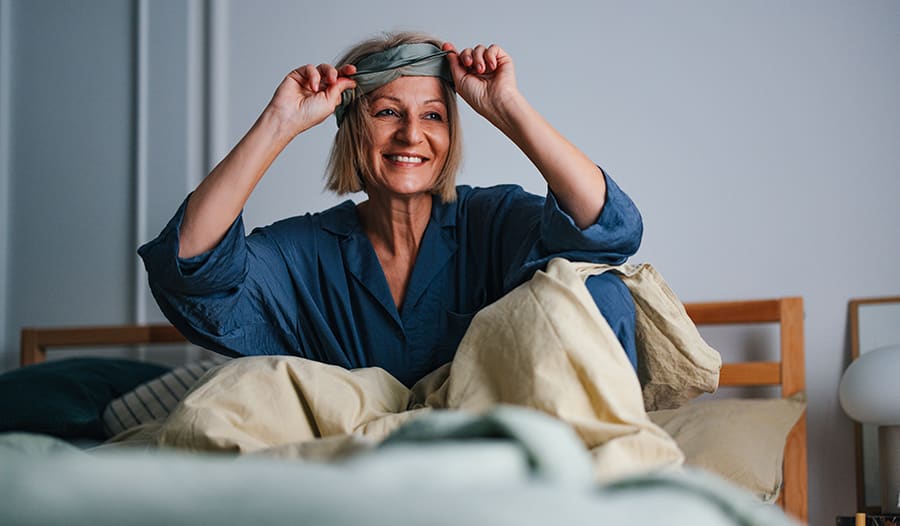
आम तौर पर, लोग अंधेरे, ठंडे, शांत कमरे में सबसे अच्छी नींद लेते हैं। ब्लैकआउट पर्दे या स्लीप मास्क का उपयोग करें और थर्मोस्टैट को ~ 65 डिग्री फ़ारेनहाइट (20 डिग्री सेल्सियस) पर सेट करें। सफेद शोर, इयरप्लग या पंखा विघटनकारी ध्वनियों को रोकने में मदद कर सकता है।
कम्फर्ट में निवेश करें
यह सोचना आश्चर्यजनक है कि हममें से अधिकांश लोग अपने जीवन का एक तिहाई हिस्सा बिस्तर पर बिताएंगे। तो, क्यों न आप अपनी आराम की आवश्यकताओं और सोने की स्थिति के अनुरूप सहायक गद्दे और तकिए में निवेश करें?
लाइट एक्सपोज़र को नियंत्रित करें
सर्कैडियन रिदम को मजबूत करने के लिए जागने के बाद पहले घंटे के भीतर एक चमकदार खिड़की के बाहर या उसके पास पहुंचें, और सोने से 1-2 घंटे पहले नीली रोशनी (स्क्रीन, एलईडी) के संपर्क को कम करें। एम्बर ग्लास या मंद गर्म रोशनी पर विचार करें।
लगातार स्लीप पैटर्न स्थापित करें
जो लोग हर दिन एक ही समय पर बिस्तर पर जाते हैं और जागते हैं, यहां तक कि सप्ताहांत में भी, उन्हें नींद की समस्या कम होती है। यह सोने से 30-60 मिनट पहले शांत करने वाली गतिविधियों (स्नान, पढ़ना, जर्नलिंग) को समर्पित करने में भी मदद करता है। झपकी लेना ठीक है, लेकिन उन्हें कम (20-30 मिनट) और दोपहर 3 बजे से पहले रखें।
खाने-पीने की चीजों का प्रबंधन करें
नींद की समस्या वाले कई लोग कैफीन के प्रति संवेदनशील होते हैं - इसे पूरी तरह से खत्म करना सबसे अच्छा है। शराब एक और नींद में बाधा डालने वाला है जिससे बचना चाहिए। लेकिन सबसे बड़ा आहार कारक जो नींद में बाधा डालता है, वह है बहुत अधिक चीनी, जिसके कारण ब्लड शुगर रोलर कोस्टर होता है, जिससे कोर्टिसोल और एड्रेनालाईन में उतार-चढ़ाव होता है — दोनों ही नींद में बाधा डालते हैं।
शारीरिक व्यायाम करें
नियमित शारीरिक गतिविधि गहरी नींद को बढ़ावा देती है, लेकिन सोने के 2-3 घंटों के भीतर गहन कसरत से बचें।
शरीर और मन को शांत करें
मन की शांति होना रात की अच्छी नींद का सबसे बड़ा प्रवर्तक हो सकता है। ध्यान, गहरी साँस लेने के व्यायाम, या कोमल “यिन” योग की कोशिश करें, और बिस्तर से पहले काम के ईमेल, सोशल मीडिया और तनावपूर्ण समाचारों से दूर रहें।
अक्सर पूछे जाने वाले प्रश्न (FAQ)
मेलाटोनिन का सबसे प्रभावी प्राकृतिक विकल्प क्या है?
सबसे प्रभावी विकल्प आपकी नींद की समस्या के कारण पर निर्भर करता है। तनाव की भावनाओं के लिए, मैग्नीशियम या एल-थीनिन उत्कृष्ट हैं। सोने में कठिनाई के लिए, वैलेरियन का अच्छी तरह से अध्ययन किया जाता है।
क्या मैं इन सप्लीमेंट्स को मिला सकता हूं?
कुछ सप्लिमेंट्स, जैसे मैग्नीशियम और एल-थीनिन, अक्सर एक साथ लिए जाते हैं। हालांकि, सुरक्षा सुनिश्चित करने के लिए अलग-अलग स्लीप ऐड्स के संयोजन से पहले अपने स्वास्थ्य सेवा प्रदाता से परामर्श करना महत्वपूर्ण है।
क्या ये विकल्प गैर-आदत बनाने वाले हैं?
सूचीबद्ध सप्लीमेंट्स, जैसे मैग्नीशियम, ग्लाइसिन, और एल-थीनिन, को आमतौर पर निर्देशानुसार उपयोग किए जाने पर गैर-आदत बनाने वाला माना जाता है। कुछ प्रिस्क्रिप्शन स्लीप एड्स के विपरीत, वैलेरियन निर्भरता से भी जुड़ा नहीं है।
अगर इनमें से कोई भी सप्लीमेंट काम न करे तो क्या होगा?
यदि प्राकृतिक विकल्प और नींद की स्वच्छता पद्धतियां आपकी नींद की समस्याओं को हल नहीं करती हैं, तो डॉक्टर से बात करना महत्वपूर्ण है। आपकी एक अंतर्निहित स्थिति हो सकती है जिसके लिए एक अलग दृष्टिकोण की आवश्यकता होती है।
क्या 5-HTP को एंटीडिप्रेसेंट के साथ लेना सुरक्षित है?
नहीं — इस सूची में सक्रिय रूप से बचने के लिए यह एक संयोजन है. SSRIs, SNRI, या MAOI के साथ 5-HTP को सेरोटोनिन सिंड्रोम से जोड़ा गया है, जो एक गंभीर और तेज़ी से शुरू होने वाली प्रतिक्रिया है। यदि आप किसी एंटीडिप्रेसेंट पर हैं, तो 5-HTP का उपयोग करने से पहले अपने प्रिस्क्राइबर से बात करें।
प्राकृतिक मेलाटोनिन विकल्पों को काम करने में कितना समय लगता है?
यह तंत्र के अनुसार बदलता रहता है। ग्लाइसीन और GABA- आधारित विकल्प एक ही रात में प्रभाव दिखाते हैं। मैग्नीशियम और एल-थीनिन को अक्सर कुछ दिनों से लेकर कुछ हफ़्ते तक लगातार उपयोग करना पड़ता है। वैलेरियन के अपने परीक्षण डेटा में लगभग दो सप्ताह से औसत दर्जे का सुधार दिखाया गया है।
क्या मैं हर रात मेलाटोनिन की जगह इन्हें ले सकता हूं?
अधिकांश (मैग्नीशियम, ग्लाइसिन, एल-थीनिन) अध्ययन की गई खुराक पर रात में उपयोग के लिए उचित हैं। वेलेरियन और पैशन फ्लावर आमतौर पर छोटी से मध्यम अवधि के लिए उपयोग किए जाते हैं; अगर आप अंतर्निहित नींद की समस्या को हल किए बिना कुछ महीनों से अधिक समय तक इनमें से किसी पर भी रात में निर्भर हैं, तो डॉक्टर से संपर्क करें।
क्या इनमें से कोई भी सुबह की घबराहट का कारण बनता है जैसे कि मेलाटोनिन कभी-कभी करता है?
ग्लाइसीन और एल-थीनिन को विशेष रूप से अपने स्वयं के शोध में उल्लेख किया गया है कि वे अगले दिन के ग्रोगनेस का उत्पादन नहीं करते हैं। वेलेरियन के अपने उद्धृत परीक्षण में “हैंगओवर की भावना” नहीं मिली। संवेदनशील व्यक्तियों में उच्च खुराक वाली GABA या वेलेरियन अभी भी अगले दिन उनींदापन का कारण बन सकती है - खुराक सीमा के निचले सिरे से शुरू करें।
क्या ये विकल्प बच्चों के लिए सुरक्षित हैं?
एल-थीनिन और ग्लाइसीन को आमतौर पर बच्चों के लिए अधिक उपयुक्त माना जाता है, लेकिन “बच्चों के लिए सुरक्षित” केवल एक लेख से निर्णय नहीं लिया जाता है - एक बाल रोग विशेषज्ञ को 18 वर्ष से कम उम्र के किसी भी व्यक्ति के लिए खुराक और विकल्प का मार्गदर्शन करना चाहिए।
इनमें और प्रिस्क्रिप्शन स्लीप मेडिसिन में क्या अंतर है?
ये प्राकृतिक नींद से संबंधित मार्गों (सेरोटोनिन प्रीकर्सर, जीएबीए, तापमान विनियमन) पर उन खुराकों पर कार्य करते हैं जिन्हें आमतौर पर सुरक्षित माना जाता है, बिना प्रिस्क्रिप्शन सेडेटिव-हिप्नोटिक्स से जुड़े निर्भरता जोखिम के। वे आम तौर पर लगातार नींद न आने के लिए कम गुणकारी होते हैं - यदि जीवनशैली में बदलाव होता है और ये विकल्प पर्याप्त नहीं हैं, तो यह खुराक बढ़ाने के बजाय डॉक्टर को देखने का संकेत है।
अश्वगंधा के बारे में क्या — क्या यह एक अच्छा मेलाटोनिन विकल्प भी है?
अश्वगंधा सीधे स्लीप मैकेनिक्स की तुलना में तनाव और कोर्टिसोल को कम करने पर अधिक काम करता है - अगर यह आपकी मुख्य समस्या है, तो हमारी अश्वगंधा गाइड इसे यहां दोहराने के बजाय इसे गहराई से कवर करती है।
कोई भी नया सप्लीमेंट शुरू करने से पहले किसी स्वास्थ्य देखभाल पेशेवर से सलाह लें, खासकर अगर आप गर्भवती हैं, दवाएँ ले रही हैं, या आपको कोई पुरानी स्थिति है।
संदर्भ:
Wyatt RJ, Zarcone V, Engelman K. Effects of 5-hydroxytryptophan on the sleep of normal human subjects. Electroencephalogr Clin Neurophysiol 1971;30:505-509.
Soulairac A, Lambinet H. Effect of 5-hydroxytryptophan, a serotonin precursor, on sleep disorders. Ann Med Psychol (Paris) 1977;1:792-798.
रावजी ए, पेल्टियर एमआर, मोर्टज़ानाकिस के, और अन्य। स्व-रिपोर्ट की गई चिंता और नींद की गुणवत्ता पर पूरक मैग्नीशियम के प्रभावों की जांच करना: एक व्यवस्थित समीक्षा। क्यूरियस. 2024 अप्रैल 29; 16 (4): e59317।
Abbasi B, Kimiagar M, Sadeghniiat K, et al. The effect of magnesium supplementation on primary insomnia in elderly: A double-blind placebo-controlled clinical trial. जे रेस मेड साइंस 2012; 17 (12): 1161-9।
बॉयल एनबी, लॉटन सी, डाई एल व्यक्तिपरक चिंता और तनाव पर मैग्नीशियम पूरकता के प्रभाव-एक व्यवस्थित समीक्षा। पोषक तत्व. 2017; 9 (5) :429।
यामाडेरा डब्ल्यू, इनगावा के, चिबा एस, और अन्य। ग्लाइसिन अंतर्ग्रहण मानव स्वयंसेवकों में व्यक्तिपरक नींद की गुणवत्ता में सुधार करता है, जो पॉलीसोम्नोग्राफिक परिवर्तनों से संबंधित है। स्लीप बायोल रिदम. 2007; 5 (2): 126—131।
इनागावा के, हिरोका टी, कोहडा टी, और अन्य। सोने से पहले ग्लाइसिन के सेवन का नींद की गुणवत्ता पर विषयगत प्रभाव। स्लीप बायोल रिदम. 2006; 4 (1) :75—77।
सोह जे, रेवेनथिरन एस, ली जेएच, और अन्य। मानव वयस्कों में शारीरिक प्रणालियों की विशेषताओं पर ग्लाइसिन प्रशासन का प्रभाव: एक व्यवस्थित समीक्षा। जीरोसाइंस। 2024 फरवरी; 46 (1): 219-239।
बन्नई एम, कवाई एन. अमीनो एसिड दवा के लिए नई चिकित्सीय रणनीति: ग्लाइसिन नींद की गुणवत्ता में सुधार करता है। जे फार्माकोल साइंस 2012; 118 (2): 145-8।
Eschenauer G, Sweet BV. Pharmacology and therapeutic uses of theanine. Am J Health Syst Pharm. 2006;63(1):26, 28-30.
हेली जेड, होंग्यु सी, दापेंग बी, और अन्य। -अमीनोब्यूट्रिक एसिड की हालिया प्रगति: शारीरिक और प्रतिरक्षा कार्य, संवर्धन, और चयापचय मार्ग। फ्रंट न्यूट्र. 2022 दिसंबर 22; 9:1076223।
हेप्सोमाली पी, ग्रोगर जेए, निशिहिरा जे, स्कोली ए मानव में तनाव और नींद पर ओरल गामा-एमिनोब्यूट्रिक एसिड (जीएबीए) प्रशासन के प्रभाव: एक व्यवस्थित समीक्षा। फ्रंट न्यूरोसाइंस। 2020; 14:923।
यामात्सु ए, ताकेशिमा के, यामाने टी, और अन्य। बुजुर्गों में नींद और रात में बार-बार पेशाब आने पर GABA की लाभकारी क्रिया। जापानी औषध विज्ञान और चिकित्सा विज्ञान. 2013; 41:985-988।
यामात्सु ए, यामाशिता वाई, पंढरीपांडे टी, मारू आई, किम एम. नींद और मनुष्यों में इसके अवशोषण पर ओरल -एमिनोब्यूट्रिक एसिड (GABA) प्रशासन का प्रभाव। खाद्य विज्ञान बायोटेक्नॉल. 2016 अप्रैल 30; 25 (2): 547-551।
होकाज़ोनो एच, फुकुदा, आर. स्वस्थ वयस्कों में नींद पर ओरल -एमिनोब्यूट्रिक एसिड (GABA) प्रशासन के प्रभाव - एक यादृच्छिक, डबल-ब्लाइंड, प्लेसबो-नियंत्रित, क्रॉसओवर अध्ययन। जापानी औषध विज्ञान और चिकित्सा विज्ञान. 2018; 46:757-770।
Hokazono H, Saito J. कामगार में मनोदशा की स्थिति और नींद की गुणवत्ता पर -aminobutyric acid (GABA) युक्त भोजन के प्रभाव: -एक डबल-ब्लाइंड रैंडमाइज्ड नियंत्रित परीक्षण। जापानी फार्माकोलॉजी एंड थेरेप्यूटिक्स, 2016, 44 (10), 1445-1454. |
ग्रांट एडी, एरफे एमसीबी, डेलेबेक सीजे, और अन्य। लैक्टिप्लांटिबैसिलस प्लांटरम Lp815 हल्के से मध्यम चिंता वाले लोगों में चिंता को कम करता है: एक डायरेक्ट-टू-कंज्यूमर, रैंडमाइज्ड, डबल-ब्लाइंड, प्लेसबो-नियंत्रित अध्ययन। बेनिफिट माइक्रोब्स। 2025 अप्रैल 24:1-12।
ग्रांट एडी, एरफे एमसीबी, डेलेबेक सीजे, और अन्य। GABA प्रोबायोटिक लैक्टिप्लांटिबैसिलस प्लांटरम Lp815 नींद, चिंता और मूत्र को बढ़ाता है GABA: एक यादृच्छिक, डबल-ब्लाइंड, प्लेसबो-नियंत्रित अध्ययन. medRxiv 2025.04.14.25325830
Stevinson C, Ernst E. Valerian for insomnia: a systematic review of randomized clinical trials. Sleep Med 2000;1:91-99.
चंद्र शेखर एच, जोशुआ एल, थॉमस जेवी। वेलेरियाना ऑफिसिनैलिस का मानकीकृत अर्क नींद की शिकायतों के साथ मानव विषयों में समग्र नींद की गुणवत्ता में सुधार करता है: एक यादृच्छिक, डबल-ब्लाइंड, प्लेसबो-नियंत्रित, नैदानिक अध्ययन। एडवोकेट थर्ड 2024 जनवरी; 41 (1): 246-261।
नेशनल इंस्टीट्यूट ऑफ डायबिटीज एंड डाइजेस्टिव एंड किडनी डिजीज। Valerian. LivertoX: ड्रग-प्रेरित लिवर इंजरी पर नैदानिक और शोध जानकारी। राष्ट्रीय स्वास्थ्य संस्थान. https://www.ncbi.nlm.nih.gov/books/NBK548255/
कैंपेन आईए, बोरू सी, देहेलियन सीए, और अन्य। मेलिसा ऑफिसिनैलिस एल. (लेमन बाम): प्रीक्लिनिकल रिसर्च से लेकर क्लिनिकल स्टडीज तक फाइटोकेमिस्ट्री और साक्ष्य की एक एकीकृत समीक्षा। पौधे (बेसल). 2026 फ़रवरी 19; 15 (4) :650
बानो ए, हेप्सोमाली पी, रब्बानी एफ, और अन्य। भावनात्मक संकट और खराब नींद की स्थिति वाले स्वस्थ वयस्कों में मानकीकृत फॉस्फोलिपिड वाहक-आधारित मेलिसा ऑफिसिनैलिस एल एक्सट्रैक्ट के सबक्रोनिक पूरकता का संभावित “शांत प्रभाव”: एक संभावित, यादृच्छिक, डबल-ब्लाइंड, प्लेसबो-नियंत्रित नैदानिक परीक्षण के परिणाम। फ्रंट फार्माकोल। 2023 अक्टूबर 19; 14:1250560।
डि पिएरो एफ, सिस्टी डी, रोची एम, एट अल। नींद की गुणवत्ता पर मेलिसा ऑफिसिनैलिस फाइटोसोम के प्रभाव: संभावित, डबल-ब्लाइंड, प्लेसबो-नियंत्रित और क्रॉस-ओवर अध्ययन के परिणाम। पोषक तत्व। 2024 दिसंबर 4; 16 (23): 4199।
झी डब्ल्यू, झांग एक्स, वांग टी, हू जे बॉटनी, एपोसिनम वेनेटम एल (लुओबुमा) के पारंपरिक उपयोग, फाइटोकेमिस्ट्री और फार्माकोलॉजी: एक समीक्षा। जे एथनोफार्माकोल. 2012; 141 (1): 1-8।
व्हाइट केपी, हेवलिंग्स एसजे, ब्रायंट सी, मोसले एम, डी'एडमो सीआर, कोलवेल सीएस, चेन जे, पाउली ईके। चिंता की भावनाओं को व्यक्त करने वालों में नींद और तनाव पर Apocynum venetum L. (a. venetum) वेनेट्रॉन के प्रभावों का आकलन करने के लिए एक यादृच्छिक, प्लेसबो-नियंत्रित, डबल-ब्लाइंड परीक्षण। इंट जे ट्रांसल मेड. 2025; 5 (2): 23।
नकटा ए, यामाशिता एसआई, सुजुकी एन, लियांग टी, कुनियोशी टी, यांग जे, तकारा टी. नींद की गुणवत्ता और मनोवैज्ञानिक तनाव में सुधार पर अपोकिनम वेनेटम लीफ एक्सट्रैक्ट (वेनेट्रॉन) का प्रभाव। जेपीएन फार्माकोल थेर 2018; 46 (1): 117-125।
मिरोडी एम, कैलापाई जी, नवरा एम, और अन्य। पासिफ़्लोरा इनकार्नाटा एल.: एथनोफार्माकोलॉजी, नैदानिक अनुप्रयोग, नैदानिक परीक्षणों की सुरक्षा और मूल्यांकन। जे एथनोफार्माकोल। 2013 दिसंबर 12; 150 (3): 791-804।
ली जे, जंग एचवाई, ली एसआई, चोई जेएच, किम एसजी। अनिद्रा विकार वाले लोगों में पॉलीसोम्नोग्राफिक स्लीप मापदंडों पर पासिफ्लोरा इनकार्नाटा लिनिअस के प्रभाव: एक डबल-ब्लाइंड रैंडमाइज्ड प्लेसबो-नियंत्रित अध्ययन। इंट क्लिन साइकोफार्माकोल। 2020 जनवरी; 35 (1): 29-35।
नगन ए, कंडिट आर व्यक्तिपरक नींद की गुणवत्ता पर पासिफ्लोरा इनकार्नाटा (पैशनफ्लॉवर) हर्बल चाय के प्रभावों की एक डबल-ब्लाइंड, प्लेसबो-नियंत्रित जांच। फाइटोथर रेस 2011 अगस्त; 25 (8): 1153-9
महत्वपूर्ण सूचना:
इन कथनों को फ़ूड एंड ड्रग एडमिनिस्ट्रेशन द्वारा अनुमोदित नहीं किया गया है।इन प्रोडक्ट्स का उद्देश्य किसी बीमारी का निदान, उपचार, इलाज या रोकथाम करना नहीं है।
यह सामान खरीदें
सीखते रहें
What Are Sleep Patches? How They Work, Benefits, and Side Effects
प्रस्तुतकर्ता: डॉ. हिल्डा वोंग, एम. डी।
22,082 बार देखा गया
स्लीप एप्निया क्या है? एक मूक लेकिन गंभीर स्वास्थ्य खतरे के लिए एक व्यापक गाइड
प्रस्तुतकर्ता: मित्रा मालेक
3,189 बार देखा गया
द अल्टीमेट स्लीप हाइजीन चेकलिस्ट: बेहतर आराम करने के लिए डॉक्टर की मार्गदर्शिका
प्रस्तुतकर्ता: डॉ. निकोल क्रेवन, एम. डी।
33,638 बार देखा गया
रात में कोर्टिसोल को कम कैसे करें: शांत और बेहतर नींद को बढ़ावा देने के 11 प्राकृतिक तरीके
प्रस्तुतकर्ता: डॉ. जॉन नेस्टाड, एन. डी।
59,197 बार देखा गया
L-Theanine: नींद के लिए लाभ + मस्तिष्क स्वास्थ्य, खुराक, दुष्प्रभाव
प्रस्तुतकर्ता: डॉ. माइकल मरे, एन. डी.
1,17,852 बार देखा गया
तनाव और नींद आपकी त्वचा को कैसे प्रभावित करते हैं: डॉक्टर की मार्गदर्शिका
प्रस्तुतकर्ता: डॉ. कार्ली बिगिंस, एन. डी।
35,920 बार देखा गया
प्राकृतिक रूप से सोने में आपकी मदद करने के लिए 8 हर्बल उपचार
प्रस्तुतकर्ता: डॉ. स्टोक्स, एन. डी., विशगार्डन हर्ब्स
29,769 बार देखा गया
बेहतर नींद के लिए विज्ञान द्वारा स्वीकृत 5 आदतें
प्रस्तुतकर्ता: डॉ. माइकल डी. लुईस, एम. डी।
10,339 बार देखा गया
शीर्ष 10 प्राकृतिक नींद सहायक और प्रभावी उपचार
प्रस्तुतकर्ता: मेगन रूजवेल्ट, आरडीएन
40,811 बार देखा गया
स्लीपी गर्ल मॉकटेल: टार्ट चेरी जूस और मैग्नीशियम
प्रस्तुतकर्ता: मेगन रूजवेल्ट, आरडीएन
15,842 बार देखा गया
GABA क्या है? क्यों यह पूरक बेहतर नींद में मदद कर सकता है
प्रस्तुतकर्ता: डॉ. माइकल मरे, एन. डी.
1,86,500 बार देखा गया
नींद की गुणवत्ता: 4 कारण यह महत्वपूर्ण क्यों है और इसे कैसे प्राप्त करें
















































 सामग्री की तालिका