मानव शरीर अपने आप ही कुछ CoQ10 बनाता है, ज्यादातर अग्न्याशय, गुर्दे और यकृत में। आप अपने द्वारा खाए जाने वाले कुछ खाद्य पदार्थों से भी कुछ प्राप्त करते हैं। यह माना जाता है कि जब स्वस्थ उम्र बढ़ने को बढ़ावा देने की बात आती है तो अपने आहार से अधिक लाभ मिल सकता है।
स्वस्थ आहार के माध्यम से अपने सेवन को बढ़ाने से आपको पोषक तत्वों को बेहतर तरीके से अवशोषित करने में मदद मिलती है, जिसमें विटामिन सी और ई जैसे एंटीऑक्सिडेंट शामिल हैं, जो स्वस्थ चयापचय, उच्च ऊर्जा स्तर और समग्र हृदय और संज्ञानात्मक स्वास्थ्य का समर्थन करते हैं।
मुख्य बिंदु
- CoQ10 एक प्राकृतिक रूप से पाया जाने वाला यौगिक है: शरीर इसका उत्पादन करता है, और यह विभिन्न प्रकार के खाद्य पदार्थों में भी पाया जाता है।
- समय के साथ स्तर बदल सकते हैं: CoQ10 का स्तर उम्र के साथ घटता जाता है और स्वास्थ्य की स्थिति या दवा के उपयोग के आधार पर भिन्न हो सकता है।
- यह जानवरों और पौधों के खाद्य पदार्थों दोनों में पाया जाता है: समृद्ध स्रोतों में ऑर्गन मीट, बीफ, वसायुक्त मछली, मुर्गी पालन, नट, बीज और कुछ तेल शामिल हैं।
- अवशोषण आहार वसा से प्रभावित होता है: क्योंकि CoQ10 वसा में घुलनशील होता है, इसलिए वसा युक्त खाद्य पदार्थों के साथ खाने पर यह बेहतर अवशोषित होता है।
- सेवन की कोई स्थापित अनुशंसा नहीं है: हालांकि पूरक मौजूद हैं, लेकिन भोजन से CoQ10 का कोई आधिकारिक दैनिक मूल्य नहीं है।
CoQ10 क्या है?
CoQ10 कोएंजाइम Q10 का संक्षिप्त रूप है, जो एक ऐसा यौगिक है जो ऑक्सीडेटिव तनाव से बचाव में मदद करने के लिए शरीर में एंटीऑक्सीडेंट की तरह काम करता है। इसे कभी-कभी यूबिकिनोन या यूबिकिनॉल भी कहा जाता है, जिसे “एंटी-एजिंग प्रभाव” के रूप में प्रचारित कुछ सप्लीमेंट्स में पाया जा सकता है.
CoQ10 वास्तव में क्या करता है? यह कोशिकाओं के माइटोकॉन्ड्रिया (जिसे कोशिकाओं का “पावरहाउस” कहा जाता है) में पाया जाता है और स्वस्थ ऊर्जा उत्पादन, इलेक्ट्रॉनों के परिवहन और आपके द्वारा खाए जाने वाले खाद्य पदार्थों से पोषक तत्वों के उपयोग का समर्थन करता है।
सबसे महत्वपूर्ण चीजों में से एक जो यह पोषक तत्व करता है, वह है “माइटोकॉन्ड्रियल एटीपी संश्लेषण” की सुविधा प्रदान करना, जो खाद्य पदार्थों (कार्बोहाइड्रेट और वसा) से कच्ची ऊर्जा को ऊर्जा के रूप में परिवर्तित करना है जिसे हमारी कोशिकाएं एडेनोसिन ट्राइफॉस्फेट (एटीपी) नामक उपयोग करती हैं।
क्योंकि यह कोशिकाओं को नुकसान पहुंचाने वाले मुक्त कणों को बेअसर करने में मदद कर सकता है, CoQ10 के निम्न स्तर को उम्र से संबंधित कुछ स्वास्थ्य स्थितियों के लिए उच्च जोखिम से जुड़ा माना जाता है — जिसमें मधुमेह, कैंसर, हृदय रोग, उच्च रक्तचाप और न्यूरोलॉजिकल स्थितियां शामिल हैं।
सर्वश्रेष्ठ CoQ10 फूड्स
हालांकि कैप्सूल, टैबलेट और IV जैसे रूपों में CoQ10 के साथ पूरक करना संभव है, आप अपने आहार में कुछ खाद्य पदार्थों पर ज़ोर देकर भी अधिक प्राप्त कर सकते हैं।
कुछ बेहतरीन स्रोतों में मछली, घास खाने वाले मीट और मुर्गी पालन, ऑर्गन मीट, और कुछ साबुत अनाज, मेवे और बीज शामिल हैं। Coq10 में पशु-व्युत्पन्न खाद्य पदार्थ सबसे समृद्ध होते हैं, और कुछ बीन्स, नट्स, और कुछ फल और सब्जियां जैसे पौधों के खाद्य पदार्थ भी कुछ प्रदान करते हैं।
अपने आहार में शामिल करने के लिए यहां कुछ बेहतरीन CoQ10 खाद्य पदार्थ दिए गए हैं:
1। लिवर, हार्ट और अन्य ऑर्गन मीट
ऑर्गन मीट, जिसमें पोर्क या बीफ लिवर और हार्ट शामिल हैं, को इस पोषक तत्व का सबसे घना आहार स्रोत माना जाता है। दुर्भाग्य से, बहुत से लोग नियमित रूप से ऑर्गन मीट खाने से कतराते हैं; वे आयरन और बी विटामिन सहित कई महत्वपूर्ण पोषक तत्वों से भरपूर होते हैं।
इसे अपने आहार में कैसे शामिल करें: इसे और अधिक आकर्षक बनाने के लिए ग्राउंड बीफ़ या ग्राउंड पोल्ट्री के साथ ऑर्गन मीट को मिलाने की कोशिश करें, जैसे कि मीटबॉल, मीट लोफ़, आदि।
2। घास-पात वाला बीफ़
ऑर्गन मीट के बाद दूसरा, बीफ़ CoQ10 (साथ ही स्वस्थ वसा, ज़िंक और आयरन) का सबसे अच्छा स्रोत है। घास-पात वाले बीफ़ को चुनना बुद्धिमानी है क्योंकि यह स्वस्थ वसा सहित समग्र पोषक तत्वों से भरपूर होता है।
इसे अपने आहार में कैसे शामिल करें: ज्यादातर लोग पहले से ही अपने आहार में कुछ बीफ़ शामिल करते हैं, कम से कम समय-समय पर। अपने आहार में कुछ शामिल करने के सरल तरीकों में बर्गर, मीटबॉल, स्टॉज, और बीफ और वेजिटेबल स्टिर-फ्राइज़ बनाना शामिल है।
3। वसायुक्त मछली (टूना, ट्राउट, मैकेरल और हेरिंग सहित)
टूना और अन्य प्रकार की वसायुक्त मछलियाँ न केवल प्रोटीन, ओमेगा-3 वसा और बी विटामिन के अच्छे स्रोत हैं, बल्कि वे आपको CoQ10 भी प्रदान करती हैं। वसायुक्त मछली खाने का लाभ यह है कि यह न केवल CoQ10 बल्कि एंटी-इंफ्लेमेटरी ओमेगा-3 वसा का सेवन भी बढ़ा सकती है, जो कई खाद्य पदार्थों में मिलना मुश्किल है।
इसे अपने आहार में कैसे शामिल करें: मछली की पैटीज़, टूना सलाद में ताज़ी पकी या डिब्बाबंद मछली को शामिल करने की कोशिश करें, या उबली हुई सब्जियों के ऊपर जैतून के तेल और नींबू के रस के साथ परोसें।
4। चिकन
यदि आप बीफ़ या पोर्क के बजाय सफ़ेद/हल्के मांस का चयन करते हैं, तो CoQ10 का सेवन बढ़ाने के लिए चिकन आपके आहार में एक अच्छा अतिरिक्त है। यह प्रोटीन, बी विटामिन, आयरन, और बहुत कुछ में भी उच्च है।
इसे अपने आहार में कैसे शामिल करें: पके हुए चिकन को ताज़ी सब्जियों के साथ बड़े सलाद में शामिल करें, इसे बोन ब्रोथ के साथ चिकन सूप में आज़माएँ, चिकन पैटीज़ या चिकन सलाद बनाएं, या इसे स्टिर-फ्राई में जोड़ें।
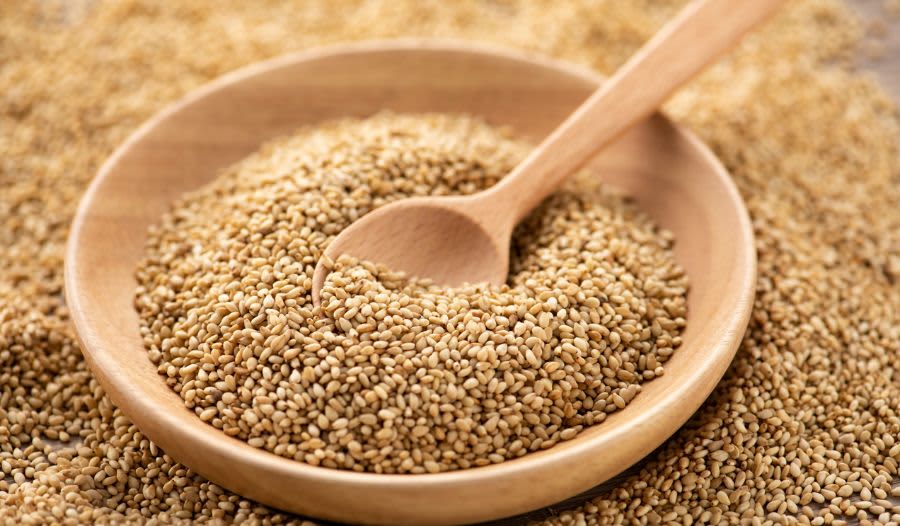
5। पिस्ता और तिल
यदि आप अधिकतर पौधे-आधारित आहार खाते हैं, तो अपने भोजन में नट्स और बीजों को शामिल करना अधिक CoQ10, स्वस्थ वसा और ट्रेस मिनरल्स प्राप्त करने का एक शानदार तरीका है। मेवे और बीज आपको फाइबर और अन्य आवश्यक पोषक तत्व जैसे विटामिन ई और सेलेनियम भी प्रदान करते हैं।
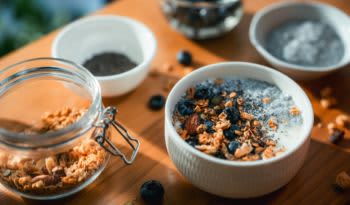
इसे अपने आहार में कैसे शामिल करें: सलाद में मेवे और तिल मिलाएं, स्वस्थ ट्रेल मिक्स के हिस्से के रूप में उन पर नाश्ता करें, उनका उपयोग करके घर का बना लो-शुगर ग्रेनोला बनाएं, या चिकन या मछली बनाते समय उन्हें कोटिंग में जोड़ें।
6। अपरिष्कृत जैतून का तेल
सोयाबीन और मकई के तेल के बाद दूसरा (जिन्हें अक्सर संसाधित किया जाता है और अन्य कारणों से अनुशंसित नहीं किया जाता है), अपरिष्कृत इतालवी जैतून के तेल में अधिकांश तेलों के CoQ10 का उच्चतम स्तर पाया गया है। अपने आहार में जैतून के तेल को शामिल करने का एक और लाभ मोनोअनसैचुरेटेड वसा, विटामिन ई और विटामिन के का समृद्ध स्रोत है।
इसे अपने आहार में कैसे शामिल करें: सब्जियों के ऊपर या सलाद ड्रेसिंग में टपकाते समय वर्जिन जैतून के तेल का उपयोग करें, और कम गर्मी पर पकाते समय नियमित उच्च गुणवत्ता वाले जैतून के तेल का उपयोग करें (जैसे कि पैन में जल्दी से भूनना)। आप पिज्जा, पास्ता और चावल के व्यंजन, सॉस और मैरिनेड आदि में भी कुछ मिला सकते हैं।
अन्य टिप्स
क्योंकि CoQ10 वसा में घुलनशील पोषक तत्व है, इसलिए जब इसे थोड़ी मात्रा में स्वस्थ वसा, जैसे जैतून का तेल, एवोकैडो, या मांस या अंडे से वसा के साथ सेवन किया जाता है, तो यह सबसे अच्छा अवशोषित होता है।
वर्तमान में CoQ10 के लिए कोई विशिष्ट आहार सेवन अनुशंसा नहीं है जिसे स्वास्थ्य अधिकारियों द्वारा स्थापित किया गया है; बल्कि आम तौर पर यह सिफारिश की जाती है कि आप पर्याप्त मात्रा में खाद्य पदार्थ खाने के लिए विभिन्न प्रकार के संपूर्ण खाद्य पदार्थ खाएं, और यदि आप निम्न स्तर होने के उच्च जोखिम में हैं तो संभवतः पूरक लेने पर विचार करें (पूरक रूप में, CoQ10 खुराक की सिफारिशें अक्सर प्रति दिन 30 से 90 मिलीग्राम तक होती हैं, लेकिन कुछ मामलों में 1,200 मिलीग्राम तक जा सकती हैं)।
महत्वपूर्ण सूचना:
इन कथनों को फ़ूड एंड ड्रग एडमिनिस्ट्रेशन द्वारा अनुमोदित नहीं किया गया है।इन प्रोडक्ट्स का उद्देश्य किसी बीमारी का निदान, उपचार, इलाज या रोकथाम करना नहीं है।
















































 सामग्री की तालिका